BL Innovare · Touchless vehicle inspection
BODYGUARD: automated vehicle damage detection
BODYGUARD captures a vehicle's condition automatically as it enters the lane. 360-degree coverage, integrated lighting and an instant report, with no manual walk-around and no added steps for your team.
Enquire about BODYGUARDSee BODYGUARD in the lane
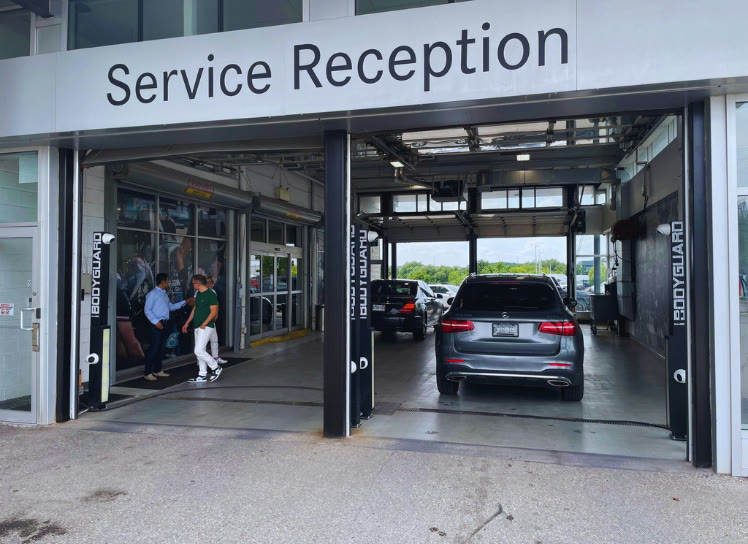
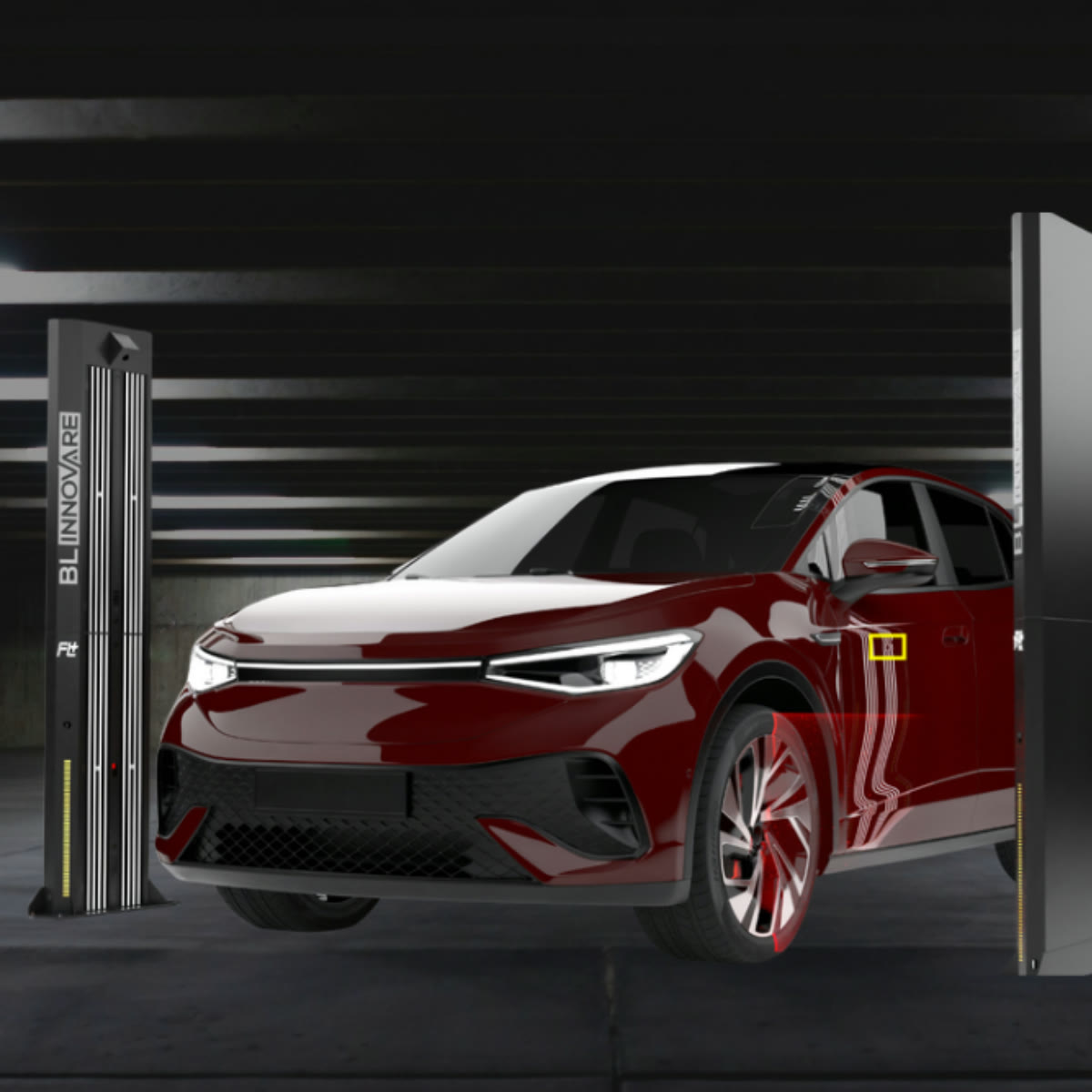
The dealership walkthrough: a vehicle drives through the scanning bay, the camera array and integrated lighting capture the full 360-degree condition of the body and wheels, and the advisor gets a time-stamped record before the customer reaches the desk.
BODYGUARD for car wash and detailing sites
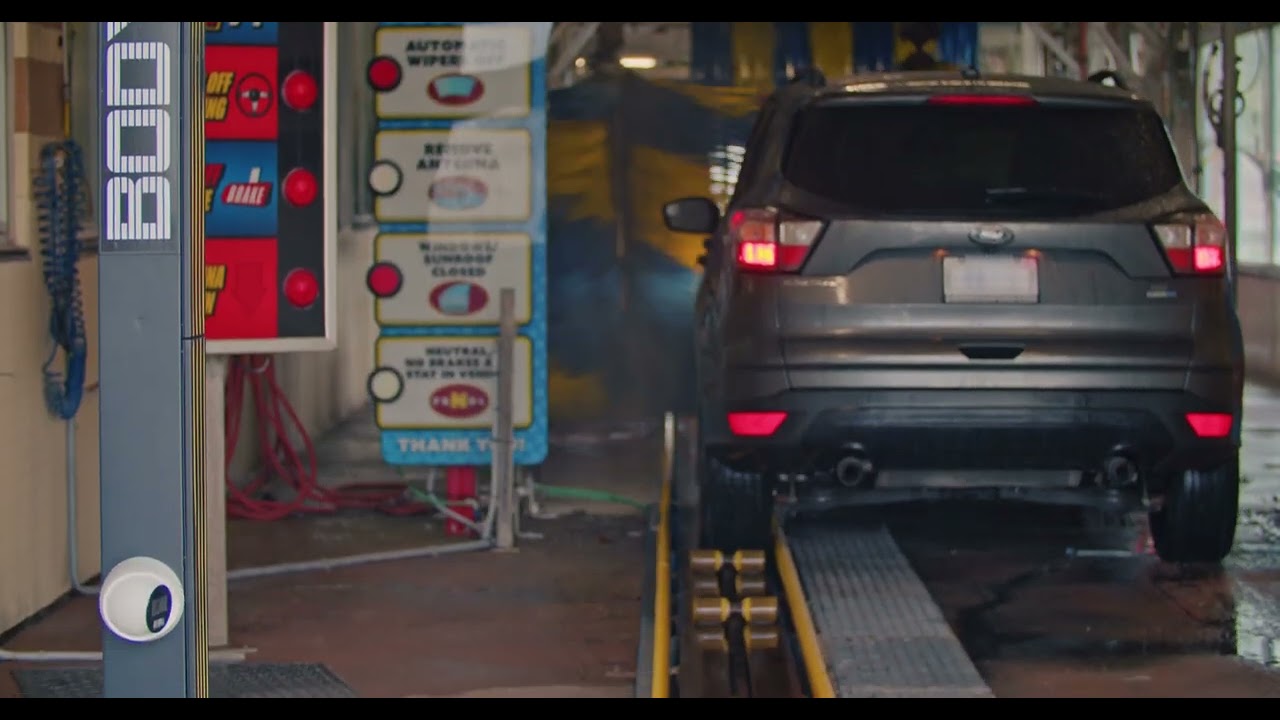
The same technology applied at car wash and detailing entries, where documenting pre-existing damage on arrival is the fastest way to shut down disputes.
The service lane problem
- Manual vehicle inspections. Vehicle intake often relies on visual checks, so results depend on time, attention and experience.
- Inconsistent damage documentation. Without a standard process, condition gets recorded inconsistently.
- Customer disputes. Limited check-in documentation creates uncertainty about pre-existing damage.
What BODYGUARD does
- Automated check-in inspection. Captures vehicle condition automatically on entry.
- 360-degree vehicle coverage. Six or ten camera angles capture the entire vehicle exterior, depending on configuration.
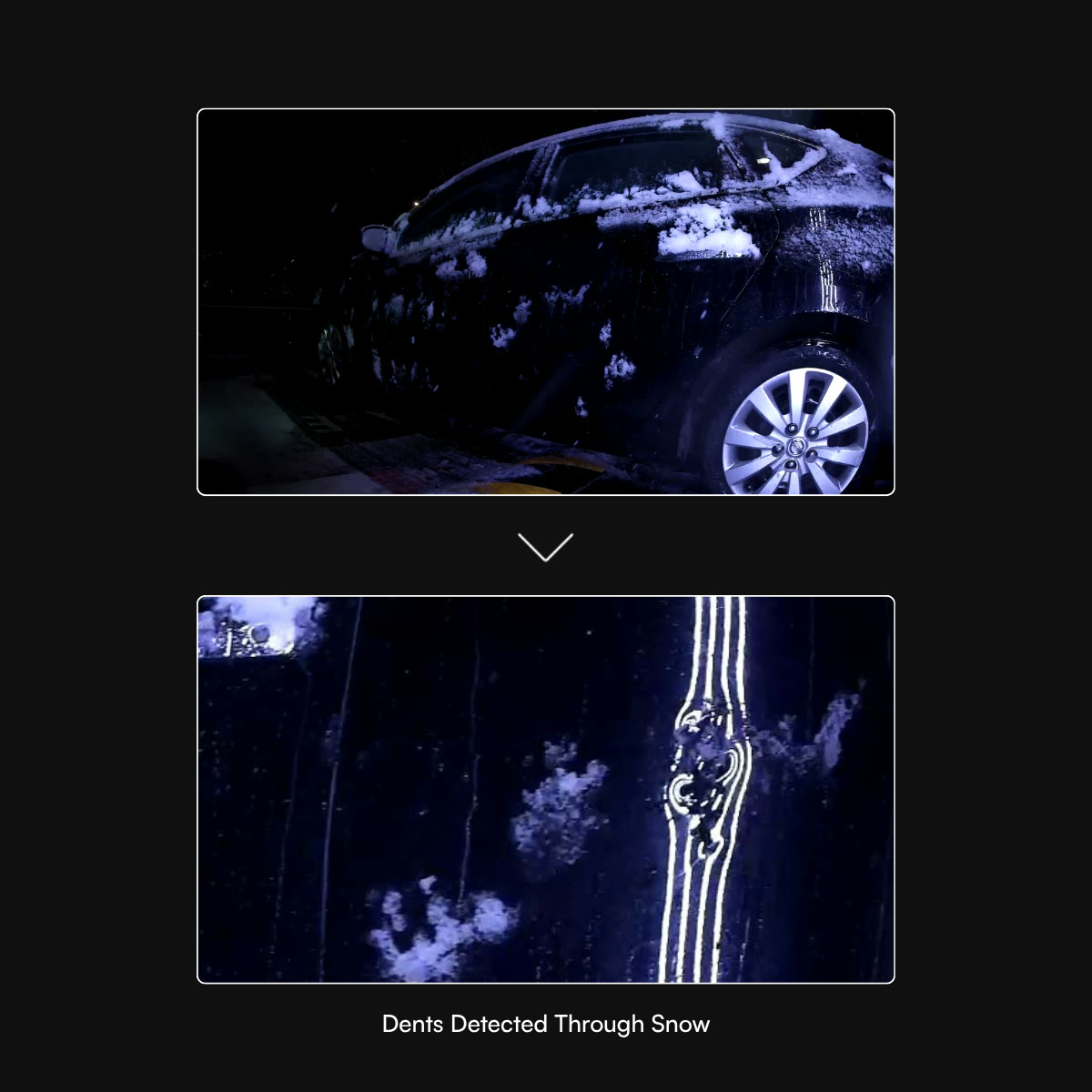
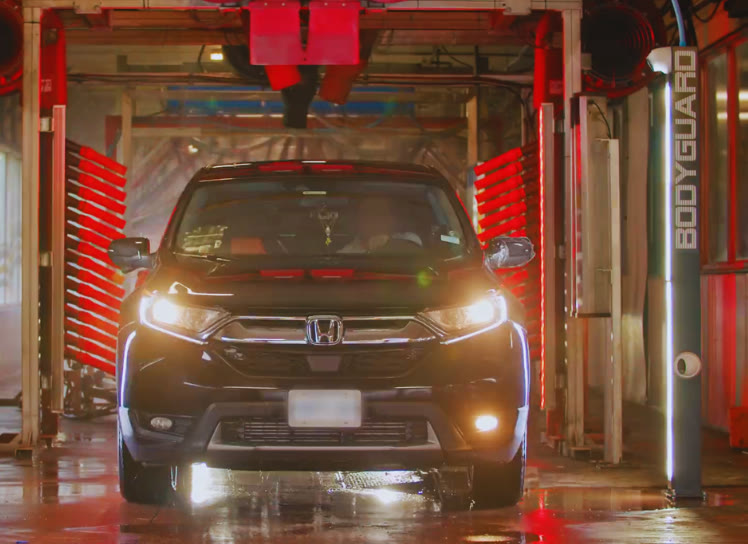
- High-quality imaging. Integrated lighting produces clear, consistent images, including on wet and moving vehicles.
- Keeps high-volume lanes moving. Captures vehicle data in seconds without added manual steps.
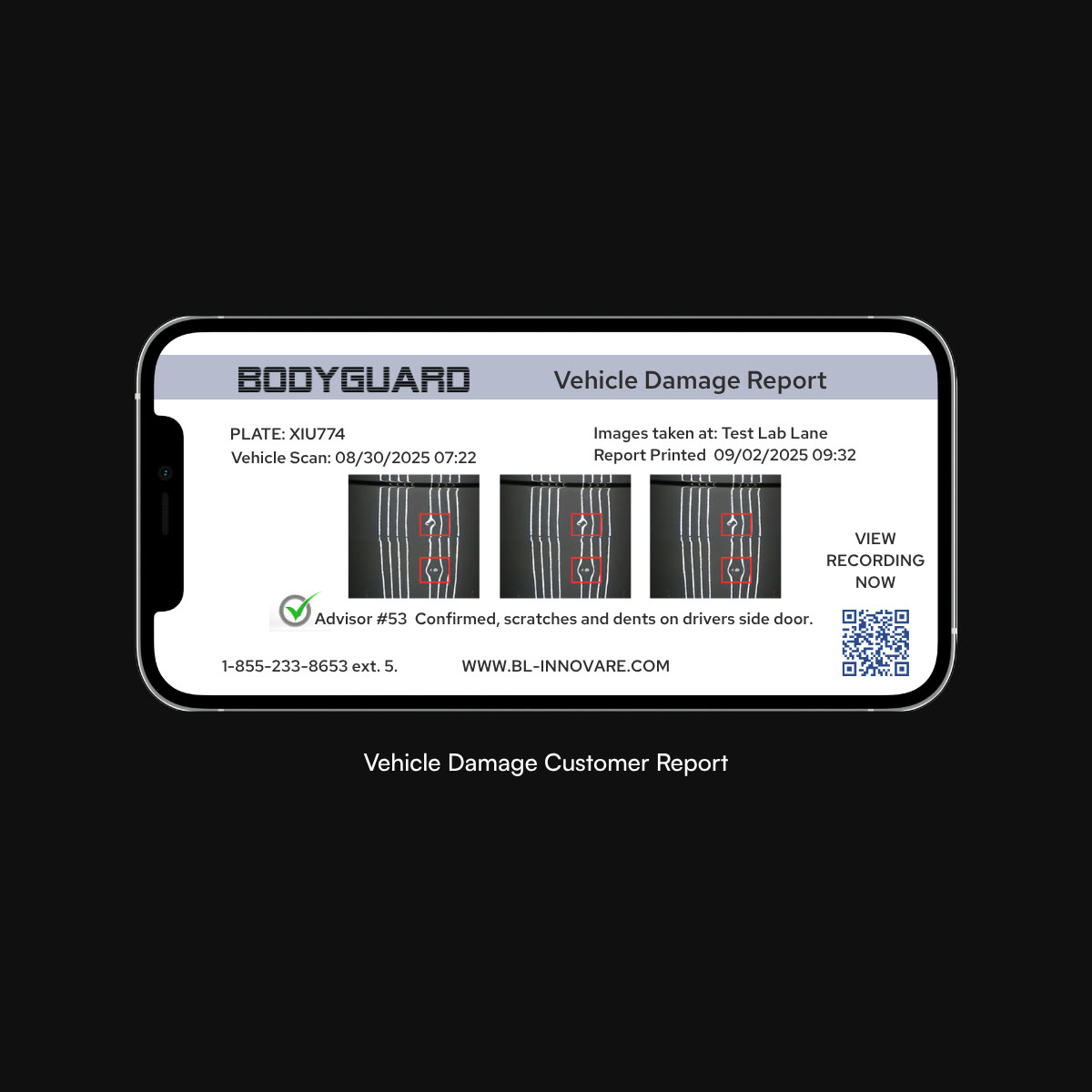
- Instant inspection reports. Data-driven reports support clear, objective customer conversations.
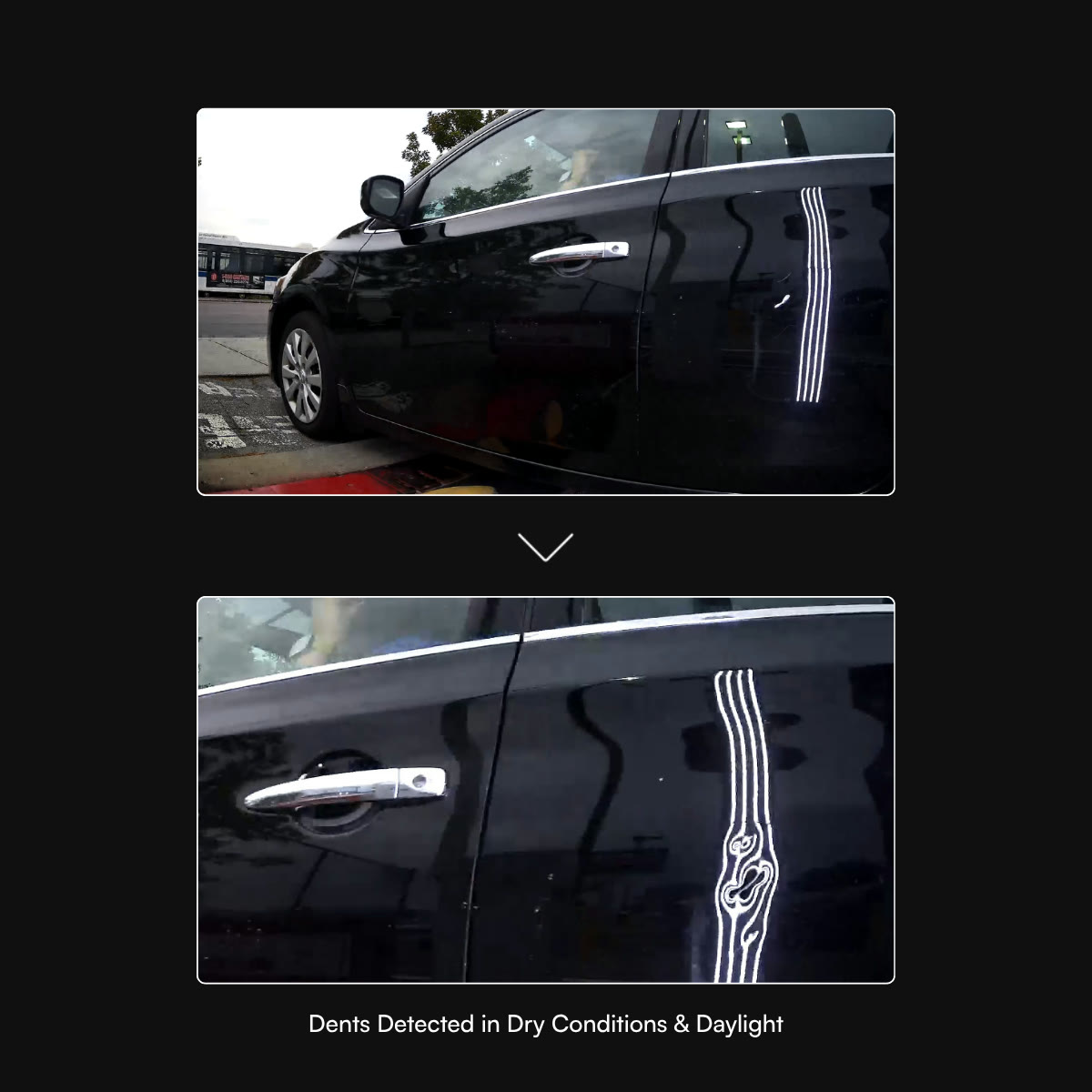
The system catches detail the eye misses: wheel scuffs are captured at 4.8 to 8.0 km/h, and damage that is effectively invisible without lighting shows up clearly in the record.
What a 360-degree scan picks up
- Front and upper body: hail damage, broken mirrors, windscreen damage, broken headlights.
- Side body and wheels: chassis damage, dents and scratches, tyre wear, wheel rash.
- Rear body and lights: faulty tail and brake lights, fuel tank and EV battery damage.
- Underbody and mechanical: exhaust damage and modifications, worn suspension, oil leaks.
Automated compared with a manual walk-around
| BODYGUARD | Manual walk-around | |
|---|---|---|
| Consistency | Identical on every vehicle | Varies by person and workload |
| Time per vehicle | Seconds, unattended | Several minutes of staff time |
| Coverage | Every vehicle through the lane | Whatever gets done |
| Evidence | Dated 360-degree visual record | Paper form or memory |
Adding alignment detection
FASTLIGN builds on the BODYGUARD platform, adding a touchless laser alignment check to the same automated inspection. If alignment work is a revenue opportunity for your lane, that is the configuration to look at.
See FASTLIGNOptional modules
- AI Damage Detection. Automatically identifies dents, scratches and other body damage, with instant reports to support claims and repair decisions.
- Overhead cameras. 4K top-down imaging for roof, bonnet, boot and upper body.
- Under carriage imager. High-resolution imaging of the vehicle underside.
- Additional camera pods for more angles and different site layouts.
- Tower height extensions. Indoor and outdoor versions, with extended height and width for larger vehicles.
- Inspection tunnel structure. A modular turn-key tunnel for a professional intake process.
Inspection ONE
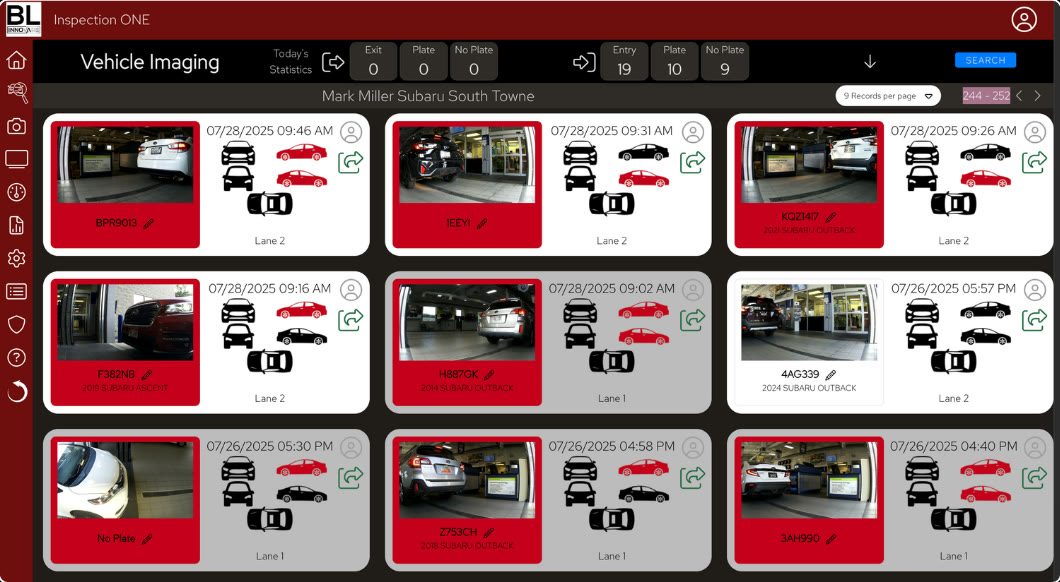
Inspection results feed into Inspection ONE, a single platform that centralises inspection lane data. One platform, one report, complete visibility. Reports can be printed or shared electronically with the customer.
Who uses it
- Car dealerships
- Tyre shops and body shops
- Commercial fleets
- Car rental operators
- Government vehicle inspection
- Automated car wash
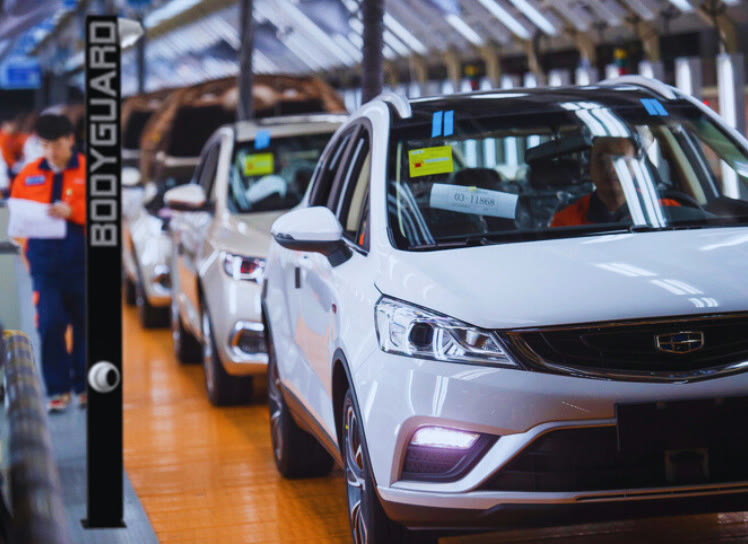
- Vehicle manufacturing plants
- Valet parking
Installation and project delivery
Standard installation through UNIPAC covers mechanical installation of the base system, setup and commissioning, operational testing, on-site staff training, and coordination with your electrician or IT contact.
Quoted separately: installation of optional modules, freight, technician travel and accommodation, electrical and data works, and any civil or structural work.
Common questions
How many cameras does it use?
Six or ten camera angles, depending on the configuration.
What happens to damage already on the vehicle?
It is recorded on arrival. That arrival record is what separates pre-existing damage from anything that happens afterwards.
Does it slow the lane down?
No. Capture happens as the vehicle passes through, with no staff involvement.
Can it be installed outdoors?
Yes. Outdoor and tall configurations are available.
Talk to UNIPAC about BODYGUARD
Tell us about your site and we will confirm the configuration, the site requirements and what installation involves.
Request a quote